
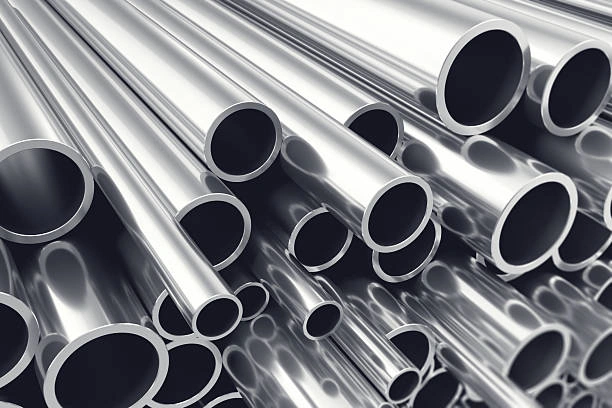
When people invest in stainless steel, they expect it to stay attractive, durable, and resistant to corrosion for years. That only happens when the finishing process is done correctly. At Alvator Custom Fab, we have seen how the right finish transforms ordinary stainless steel into a long-lasting product that performs better in demanding environments. Whether the project involves architectural features, industrial equipment, or decorative metalwork, stainless steel finishing services in Austin, TX play a major role in both appearance and performance.
Many people assume finishing is only about making metal shine. From my experience working with fabricated stainless steel components, that’s only one part of the story. Professional finishing improves corrosion resistance, removes fabrication marks, prepares surfaces for demanding applications, and creates the exact appearance customers expect.
Why Stainless Steel Finishing Matters More Than Most People Think
Freshly fabricated stainless steel rarely looks ready for installation. Welding discoloration, scratches, grinding marks, and surface contamination often remain after manufacturing.
Professional stainless steel finishing removes these imperfections while protecting the metal against premature corrosion. According to manufacturing standards used throughout the fabrication industry, proper surface preparation helps preserve stainless steel’s natural chromium oxide layer, which gives the material its excellent corrosion resistance.
I’ve noticed that customers usually focus on appearance first. However, long-term durability is often the bigger benefit.
Better Corrosion Protection
A properly finished surface reduces places where moisture, chemicals, and contaminants can collect.
This becomes especially valuable in Austin’s changing weather conditions, where humidity and outdoor exposure can slowly damage poorly finished metal surfaces.
Improved Appearance
Every project has different visual requirements.
Some clients want a brushed finish that hides fingerprints. Others prefer a mirror polish for decorative installations. The finishing process allows stainless steel to match both functional and architectural goals.
Easier Maintenance
Smooth finished surfaces collect less dirt and bacteria.
That is why industries such as food processing, healthcare, and commercial kitchens often require specific stainless steel surface finishes that simplify cleaning.
Understanding Different Stainless Steel Finishing Methods
Not every project requires the same finish. Selecting the correct process depends on the intended application, environment, and customer expectations.
Brushed Stainless Steel Finish
A brushed finish creates fine, consistent lines across the metal.
It reduces glare while hiding small scratches that naturally develop over time. Many commercial buildings and office interiors use this finish because it offers a clean, modern appearance without requiring constant maintenance.
Mirror Finish Stainless Steel
Mirror polishing produces a highly reflective surface.
This finish works well for decorative panels, elevators, hospitality spaces, and luxury architectural designs where appearance matters as much as durability.
Satin Finish
Satin finishes provide a softer appearance between brushed and mirror finishes.
Many businesses choose satin because it balances aesthetics with practicality, especially for handrails, countertops, and commercial fixtures.
How Professional Stainless Steel Finishing Services Improve Fabricated Parts
One challenge I frequently see involves customers assuming fabrication ends after welding.
In reality, finishing often determines whether a project looks average or exceptional.
Removing Weld Discoloration
Heat from welding creates oxidation marks.
Professional finishing removes these marks while restoring the protective chromium layer through proper cleaning and finishing methods.
Smoothing Fabrication Marks
Grinding, cutting, and shaping leave visible imperfections.
Precision metal polishing creates consistent surfaces that appear professionally manufactured instead of shop-fabricated.
Preparing Components for Installation
Finished components arrive cleaner, safer to handle, and visually ready for installation.
This saves contractors valuable time during final project completion.
Choosing the Right Finish for Different Industries
Different industries demand different surface characteristics.
One finish rarely works for every application.
Architectural Projects
Architectural metalwork often prioritizes appearance.
Decorative railings, wall panels, stair systems, and custom installations usually receive brushed or mirror finishes that enhance modern building designs.
Food Processing Equipment
Food-grade stainless steel requires smooth surfaces that resist bacterial growth.
Industry-standard finishing practices often recommend smoother finishes because they improve sanitation and simplify cleaning procedures.
Industrial Manufacturing
Manufacturing equipment experiences constant wear.
Industrial stainless steel surface finishing solutions focus more on durability, chemical resistance, and easy maintenance than decorative appearance.
What Makes High-Quality Stainless Steel Finishing Different?
Good finishing isn’t simply polishing until the metal shines.
Professional results come from controlling every stage of surface preparation.
Proper Surface Inspection
Experienced fabricators inspect every component before beginning.
Hidden scratches, weld defects, and contamination become much easier to correct early than after polishing.
Progressive Finishing Process
Rather than jumping directly to fine polishing, professionals gradually move through multiple abrasive stages.
Each stage removes marks left by the previous one, producing smoother and more consistent results.
Step 1: Surface Cleaning
Dust, grease, and fabrication residue are removed before finishing begins.
Step 2: Grinding and Blending
Welds and uneven surfaces are blended into surrounding metal.
Step 3: Fine Polishing
Progressively finer abrasives create the desired finish.
Step 4: Final Inspection
Every surface receives a quality inspection before delivery.
Common Mistakes That Reduce Stainless Steel Quality
I’ve seen projects where beautiful fabrication lost much of its value because finishing was rushed.
Avoiding these common mistakes helps preserve both appearance and durability.
- Skipping surface preparation before polishing.
- Using incorrect abrasive materials.
- Mixing carbon steel tools with stainless steel.
- Ignoring contamination after welding.
- Choosing appearance over application requirements.
Even small mistakes can shorten the lifespan of finished stainless steel.
How Austin’s Climate Affects Stainless Steel Finishing
Many people think stainless steel never rusts.
That’s only partly true.
While stainless steel naturally resists corrosion, contamination, moisture, pollutants, and poor maintenance can still create staining over time.
For projects across Austin, TX, selecting the proper finish improves long-term performance by reducing moisture retention and making regular cleaning much easier.
Outdoor architectural features especially benefit from professional finishing because they face constant exposure to weather changes throughout the year.
How to Select the Right Stainless Steel Finishing Company
Choosing a fabrication partner involves more than comparing prices.
Look for companies that understand fabrication, welding, polishing, and finishing as one complete process.
A quality provider should explain different finish options, recommend practical solutions based on the project’s environment, and maintain consistent workmanship throughout production.
Professional stainless steel polishing for commercial projects also requires proper equipment, experienced technicians, and quality inspections that verify the finished product meets customer expectations.
Why Precision Finishing Adds Long-Term Value
One lesson repeated across nearly every fabrication project is simple.
The finish people see today affects how the product performs years later.
Custom stainless steel finishing services help fabricated components resist corrosion, remain easier to maintain, and preserve their appearance throughout daily use.
Whether producing architectural railings, industrial machinery, commercial fixtures, or decorative installations, precision finishing completes the fabrication process the right way.
Companies that invest in quality finishing often reduce maintenance costs while extending the useful life of stainless steel products.
Conclusion
Choosing professional stainless steel finishing services in Austin, TX is about much more than appearance. A properly finished surface improves corrosion resistance, simplifies maintenance, increases durability, and creates a polished final product that performs well for years. At Alvator Custom Fab, every project begins with understanding how the finished stainless steel will be used. That approach allows each surface to receive the right treatment instead of a one-size-fits-all solution. Whether the project is architectural, industrial, or commercial, quality finishing remains one of the smartest investments in any stainless steel fabrication project.
Frequently Asked Questions
What is stainless steel finishing?
Stainless steel finishing is the process of cleaning, polishing, grinding, or treating stainless steel surfaces after fabrication. It improves appearance, corrosion resistance, and overall durability.
Which finish is best for outdoor stainless steel?
Brushed and satin finishes are popular for outdoor applications because they hide scratches, reduce glare, and remain easier to maintain in changing weather conditions.
Does polishing improve corrosion resistance?
Yes. Proper polishing removes contaminants and helps restore the protective chromium oxide layer that naturally protects stainless steel from corrosion.
How do I choose the right stainless steel finish?
The best finish depends on where the product will be used. Decorative projects often use mirror finishes, while industrial and commercial applications usually benefit from brushed or satin finishes.
How often should finished stainless steel be maintained?
Most finished stainless steel only requires routine cleaning with appropriate non-abrasive products. Regular maintenance helps preserve both appearance and corrosion resistance.