Metal accents bring a timeless sense of elegance and warmth to both residential and commercial properties. Whether you are updating historic hardware, fabricating custom architectural details, or restoring vintage fixtures, high-quality metalwork requires specialized care to look its best. Seeking professional Brass finishing services is the most reliable way to ensure your metal elements receive the precise protective coatings and aesthetic treatments they need to stand the test of time. At Alvator Custom Fab, we combine technical expertise with careful craftsmanship to help local property owners protect and enhance their custom metal designs.
Understanding the direct steps involved in the metal treatment process allows you to choose the perfect appearance and durability level for your specific project. From high-polish mirror finishes to rich, hand-applied antique patinas, the right treatment path preserves your metal against corrosion while accentuating its natural beauty. By learning what to expect during this specialized process, you can make informed decisions that elevate your interior space and guarantee long-lasting performance. Let us take an in-depth look at how professional metal finishing works and what you should keep in mind before starting your next project.
The Chemistry and Art Behind Professional Brass Treatment
To understand why specialized metal treatment is necessary, you have to look at the unique properties of the metal itself. Brass is an alloy made primarily of copper and zinc, which naturally reacts with oxygen, moisture, and human touch over time. This natural chemical reaction causes the metal surface to oxidize, leading to a dull, dark coating known as tarnish. While some homeowners appreciate this natural aging process, others prefer a bright, polished look or a specific, uniform antique shade that matches their existing design elements.
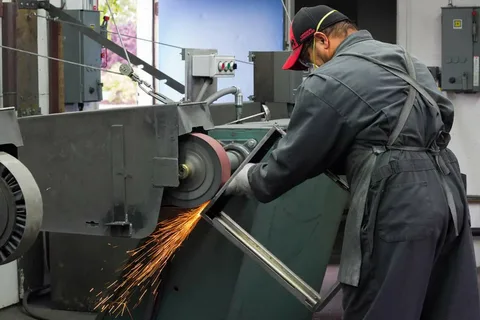
Professional Brass finishing services offer the perfect balance of science and artistic craftsmanship to achieve your desired look. Technicians use specialized abrasive compounds and high-speed buffing wheels to remove existing oxidation, scratches, and manufacturing blemishes from the metal surface. Once the metal is clean and uniform, technicians can apply chemical coloring agents to mimic years of natural aging in a matter of minutes. Alternatively, they can apply protective barrier coatings to lock in the bright, golden shine and prevent air and moisture from ever reaching the metal underneath.
Exploring the Most Popular Finish Options for Your Metalwork
When planning your project, you must choose a specific aesthetic style that complements your overall design scheme. The versatility of copper-based alloys allows for a wide range of surface textures and colors, ranging from modern and reflective to rustic and traditional. Experienced technicians can customize the intensity and direction of the finish to match your exact vision.
A highly polished finish remains a favorite choice for modern, upscale interiors where a bright, gold-like appearance is desired. This look requires multiple stages of mechanical buffing with progressively finer polishing compounds until the metal achieves a mirror-like reflection. For a softer, more contemporary look, a brushed or satin finish utilizes fine abrasive pads to create uniform, directional lines across the surface, which helps hide fingerprints and minor scratches. If you prefer a historic aesthetic, chemical patinas can darken the metal to create rich brown, black, or green antique tones that highlight the unique contours of your custom piece.
The Crucial Role of Protective Coatings in Metal Longevity
Achieving the perfect surface appearance is only half the battle; protecting that look is just as critical. Unprotected copper-based alloys will begin to tarnish almost immediately when exposed to the air, humidity, and the acidic oils on human fingers. Applying a high-quality protective barrier is the only way to lock in your desired finish and prevent future discoloration.
Technicians typically apply either a clear organic lacquer or a modern polymer coating to seal the finished metal surface. Clear lacquers provide a hard, glossy, or matte barrier that completely blocks oxygen and moisture from contacting the alloy. For high-traffic areas or outdoor installations exposed to harsh weather, advanced coatings like powder coating or baked urethanes offer superior resistance to scratching, UV rays, and chemical cleaners. Discussing your installation environment with your finishing specialist ensures you select a coating that maintains its integrity under daily wear and tear.
Understanding the Process of Brass Fabrication and Finishing in San Antonio, TX
For complex architectural and decorative projects, the creation and finishing steps must work hand in hand from start to finish. Choosing a comprehensive approach that combines brass fabrication and finishing in San Antonio, TX ensures that every weld, joint, and seam is structurally sound and cosmetically perfect before any final coloring or coating takes place. Alvator Custom Fab coordinates these steps seamlessly so your custom designs perform beautifully.
During the fabrication stage, raw metal sheets, tubes, and bars are cut, bent, and welded into the desired shape. Welding creates high heat that alters the chemical structure and color of the metal surrounding the joint, leaving behind dark scale and discoloration. An experienced finishing technician must carefully grind down these welds, blend the seams, and chemically treat the entire piece to ensure a uniform color across the fabricated assembly. Combining these services under one roof eliminates the risk of damage during transport and guarantees a flawless final presentation.
Common Mistakes to Avoid with Finished Metalwork
Investing in premium metal finishes requires a commitment to proper care and handling, both during installation and throughout daily use. Many beautiful finishes are ruined prematurely due to simple, avoidable maintenance mistakes. Knowing what to avoid will keep your custom metal pieces looking pristine for decades.
One of the most common mistakes is using harsh abrasive cleansers or ammonia-based chemical sprays on lacquered or patinated surfaces. These aggressive chemicals quickly dissolve protective lacquers and strip away delicate chemical patinas, leaving behind patchy, ruined spots that require complete stripping and refinishing to repair. Another frequent error is touching finished metal surfaces with bare hands during the installation process, as the oils from your skin can etch into raw or freshly treated metal. Always use clean cotton gloves when handling and mounting newly finished architectural hardware to ensure your investment stays protected.
Best Practices for Maintaining Your Finished Pieces
Keeping your custom metal accents looking like new does not have to be a difficult chore if you follow a few simple best practices. Regular, gentle maintenance is always more effective than trying to perform major cleanups after years of neglect.
For daily cleaning, simply wipe the metal surface with a soft, dry microfiber cloth to remove dust and dry fingerprints. If the surface becomes soiled with dirt or sticky residue, use a damp cloth with a tiny drop of mild, pH-neutral dish soap to gently clean the area, then dry it immediately with a separate soft towel. If you have unlacquered, living-finish metal that is designed to age naturally, applying a thin coat of high-quality paste wax once or twice a year will slow down the tarnishing process and provide a beautiful, soft luster. For professional guidance and restorative care, Alvator Custom Fab can help you keep your custom metalwork in peak condition.
Conclusion
Professional brass finishing services provide the essential combination of beauty, protection, and longevity that your custom metal installations deserve. By working with experienced technicians, you can explore a wide variety of finishes and select the ideal protective coating for your home or business. Avoiding harsh chemical cleaners and maintaining a gentle, regular cleaning routine will keep your finished pieces bright and beautiful for generations. When you want to elevate your property with custom metal designs that stand the test of time, choosing a trusted, local expert ensures you get the flawless results you expect.
FAQs
What is the difference between a lacquered and an unlacquered finish?
A lacquered finish features a clear, protective coating that seals the metal, preventing tarnishing and keeping the surface bright and shiny for years. An unlacquered finish, also known as a living finish, has no protective layer and will naturally darken and develop a unique patina over time when exposed to air and touch.
Can scratched or damaged brass be refinished?
Yes, professional finishing services can fully restore scratched, dented, or heavily tarnished metal. Technicians can strip away old lacquer, polish out surface scratches and blemishes, reapply chemical patinas, and seal the metal with a fresh protective coating.
How long do clear protective coatings last on outdoor metal?
The lifespan of an outdoor protective coating depends on weather exposure and physical touch, but a high-quality outdoor lacquer typically lasts between three and five years. For maximum durability in outdoor environments, advanced polymer coatings or regular wax applications are highly recommended.
Can you match a new brass piece to my existing antique hardware?
Yes, skilled finishing specialists can analyze your existing hardware and custom-blend chemical coloring agents to match the exact tone, depth, and wear patterns of your older pieces, ensuring a seamless look throughout your space.
Is it safe to use commercial metal polish on lacquered brass?
No, you should never use commercial metal polishes on lacquered metal. These polishes contain abrasive particles and solvents designed to strip oxidation from raw metal, which will quickly scratch and dissolve the protective lacquer layer.